La Storia
L’origine della Villa di Farneto, una delle gemme nascoste del Mugello, risalgono al XV secolo. Giuseppe Maria Brocchi, autore fiorentino noto per la sua “Descrizione della provincia del Mugello” documenta la presenza di questa villa nel 1748. Brocchi la classificò tra le ville dei signori Cocchi, notando l’oratorio dedicato a San Francesco d’Assisi adiacente alla Villa. Ciò che colpì particolarmente il Brocchi furono le magnifiche pitture a fresco che adornavano le pareti dell’oratorio. Egli attribuì queste opere alla Scuola degli Allori, un prestigioso gruppo di artisti dell’epoca. E’ del Brocchi l’auspicio di preservare con grande cura queste opere d’arte, considerandole tesori inestimabili.
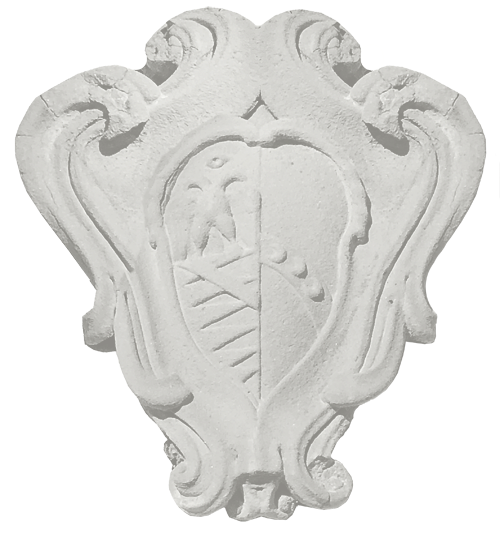
Il Niccolai, nella “Guida del Mugello e della Val di Sieve” del 1914 richiama nella descrizione della Villa di Farneto, lo stemma nella porta a nord di Albizzo di Fortuna risalente all’anno 1590.
Tuttavia, la Villa di Farneto non era solo una dimora signorile. Secondo una descrizione catastale dell’epoca, la proprietà era composta da una casa villa, estendentesi da cielo a terra, con ben quindici stanze, una colombaia maestosa, tre cantine sotterranee, una stalla e una tinaia. Inoltre, la villa comprendeva una cappella dedicata a San Francesco. La tenuta includeva anche un orto, due stanze per i pigionali con la colombaia sopra e una loggia sotto, e un altro rigoglioso orto che circondava l’intera proprietà.
Uno degli elementi architettonici più straordinari della Villa di Farneto come già detto è la sua cappella, incorporata nell’edificio stesso. Questo spazio, caratterizzato da una doppia altezza, è adornato da affreschi raffinati, attribuiti alla scuola di Alessandro Allori, artista di grande rilevanza attivo a Firenze negli ultimi decenni del XVI secolo. Gli affreschi, sebbene in parte danneggiati dal trascorrere dei secoli, conservano ancora colori vibranti e rappresentano figure religiose. Nella lunetta della cappella, è raffigurato San Francesco d’Assisi, nel suggestivo momento in cui riceve le stimmate. La volta a botte della cappella è decorata con grottesche eleganti e creature mitologiche, testimoniando la raffinata estetica dell’epoca. Tuttavia, con il passare del tempo, la cappella è andata incontro a un certo degrado e necessita ora di un accurato restauro.